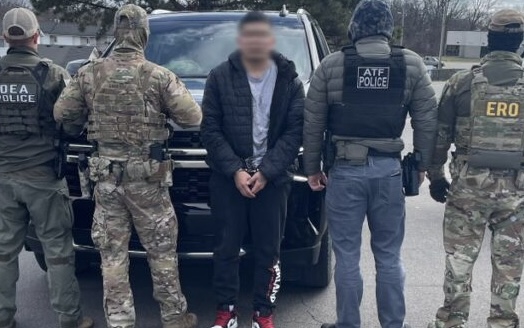
ICE just bagged an illegal alien in Detroit who—wait for it—is wanted for murder in Venezuela. Yep, murder. That’s who slipped through the cracks. While the open-border cheerleaders were busy patting themselves on the back for their “compassion,” a killer waltzed right in. This isn’t just incompetence—it’s what happens when the people in charge care more about optics than outcomes. Thank God there’s a new sheriff in town, because under Biden, this guy would’ve been handed a court date, a bus ticket, and a welcome packet.
The University of Michigan just did something that’s got the DEI crowd clutching their pearls—they shut down their Office of Diversity, Equity, and Inclusion. Boom. Gone. And instead of burning cash on buzzwords and virtue signals, they’re putting that money toward things that actually help students, like mental health and financial aid. It’s almost like they realized results matter more than woke points. Shocking, I know. But don’t get too optimistic—these kinds of programs have a nasty habit of slithering back in under a new name and a fresh coat of lipstick
The DHS just admitted what anyone with a pulse already suspected—ICE has lost track of tens of thousands of unaccompanied migrant kids. That’s not a rounding error—that’s a systemic disaster. Over 31,000 of them vanished into thin air with bogus or incomplete addresses, and nobody knows where they are or what’s happening to them. But hey, let’s keep pretending the border is “secure.” This is what happens when a bloated bureaucracy spends more time pushing politics than doing its actual job. And let’s be clear—this whole mess unfolded under the Biden administration. But now that Trump’s back in the saddle, there’s a new sheriff in town, and the days of looking the other way are over.
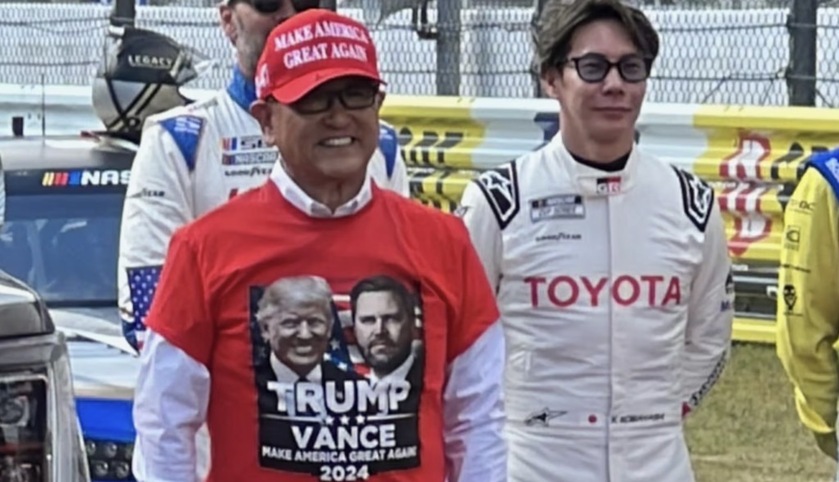
Akio Toyoda goes full MAGA in star-spangled, BBQ-slathered, F-150-truckin’, NASCAR-styled charm offensive
OYAMA, Japan — With a toothy grin, “Make America Great Again” hat and Trump-Vance T-shirt, Akio Toyoda hosted a star-spangled, barbecued, all-American, NASCAR spectacle at Fuji Speedway in a new charm offensive aimed not only at motorsports fans and diplomats, but possibly also U.S. tariffs.
The AI Economy is Rewriting the American Dream — Blue-Collar Workers Are Poised to Win
In the postwar era, the path to the middle class seemed straightforward: earn a four-year college degree, land an entry-level office job, and climb the corporate ladder. But as artificial intelligence accelerates across corporate America, that bargain is fracturing. A new CNBC report highlights a striking shift: hiring slowdowns for young college graduates in AI-exposed fields, while demand surges for skilled tradespeople to build the physical backbone of the AI boom.0
The College Grad Crunch
AI is proving especially disruptive at the entry level. Tools that act like “an infinite supply of 21-year-old interns” are absorbing tasks once assigned to new hires in marketing, legal, accounting, HR, IT, and software development. Research from Stanford’s Digital Economy Lab shows early-career workers in high-AI-exposure roles saw 16% slower employment growth. Census Bureau data points to a 12-15% decline in hiring for young workers in finance, insurance, and professional services since ChatGPT’s launch.
Unemployment for recent grads (ages 22-27) has ticked up, and major firms are rethinking large recruiting classes. JPMorgan’s chief analytics officer noted a potential “rightsizing” and a future where new employees manage AI systems rather than perform the foundational work themselves.
AT&T CEO John Stankey captured the mood: society has overemphasized college degrees while shortages grow in critical hands-on roles.
Blue-Collar Boom: Building the AI Infrastructure
Meanwhile, the AI revolution is creating massive demand for workers who “get their hands dirty.” Data centers, fiber networks, chip factories, and related infrastructure represent what Nvidia’s Jensen Huang calls “the largest infrastructure buildout in human history.”
AT&T plans to invest $250 billion over five years in network expansion, with ~15% ($38 billion) going toward hiring and training blue-collar technicians, electricians, and fiber specialists.
Companies like Ford and Nvidia emphasize the need for plumbers, electricians, construction workers, steelworkers, and network techs—many commanding six-figure salaries amid chronic shortages.
These roles require physical presence and real-world skills that AI can’t easily replicate or offshore.
In places like Dayton, Ohio suburbs, AT&T is actively recruiting and training skilled trades workers rather than relying on fresh college grads.
What This Means for the Future
The AI economy isn’t eliminating work—it’s reordering it. College degrees still offer strong lifetime returns for many, but the entry-level white-collar gateway is narrowing. Skilled trades, often overlooked in recent decades, are seeing renewed respect, better pay, and abundant opportunities.2
This shift challenges long-held assumptions about the American Dream. As Stankey noted, we’ve undervalued trades like HVAC, electrical, and technical work even as education costs soared. The winners in the AI era may be those willing to embrace hands-on careers that power the digital future.
For young people navigating this landscape, the message is clear: diversify your skill set. Technical certifications, apprenticeships, and trade training could prove as valuable—or more—than a traditional diploma in the years ahead. The AI boom is here, and it’s building bridges to a new kind of opportunity.
See more of the stories Justin is looking at when you join the FREEDOM FAM VIP
Only for Supporters
To read the rest of this article and access other paid content, you must be a supporter
Sign Up for free to see more from this community or subscribe to JustinBarclay for $9/month to support mrjustinbarclay for more interaction and exclusive content.