BREAKING: Russian Coup Underway?
In the latest from the dumpster fire that is 2023..
It appears that a coup is underway in Russia.
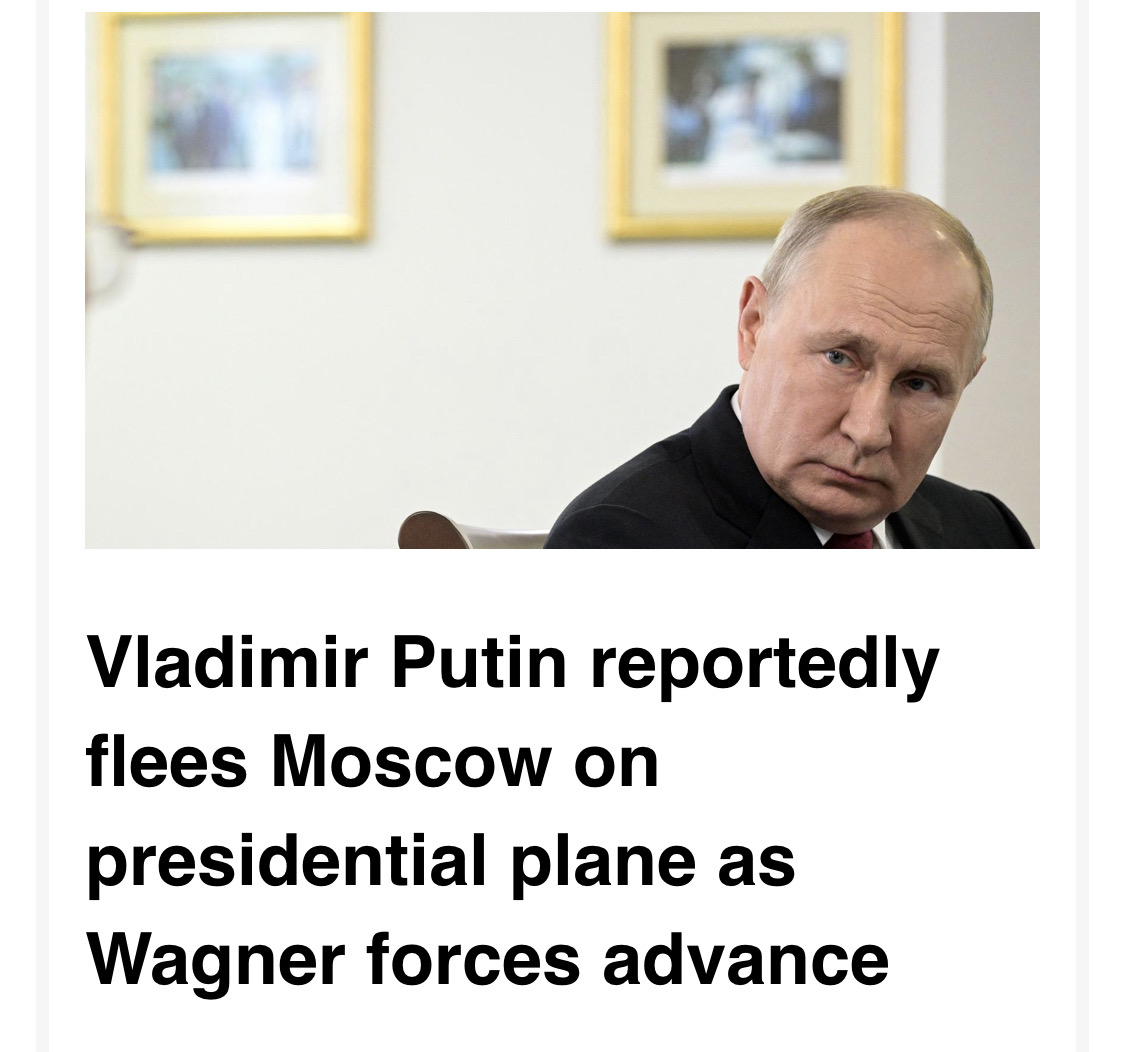
It’s being reported at this time that Putin has “fled” Moscow.
https://justthenews.com/accountability/russia-and-ukraine-scandals/vladimir-putin-allegedly-flees-moscow-presidential-plane
It’s a real insurrection..
Americans may finally get a chance to see what one looks like.
No, there aren’t any grandmas waving little flags or walking orderly through velvet ropes in the Kremlin.
But do you really need a Russian version of the Q Anon shaman to make it official?
Of course the media is giddy.
Why shouldn’t we be excited about the possible civil war being waged in a country with thousands of nuclear weapons hanging in the balance!?
Details aren’t clear at the moment and as of now all of the sun experts from last week have switched hats and turned into Russian war gurus on twitter.
They’re spending time pontificating about the latest reported developments spread in real time via social media.
So, what can I really tell you, with any certainty?
The world we live in is getting more unstable by the moment.
Each day we see “unprecedented” news stories splashed across the screen, only to be replaced by the next story du jour.
Times are interesting.
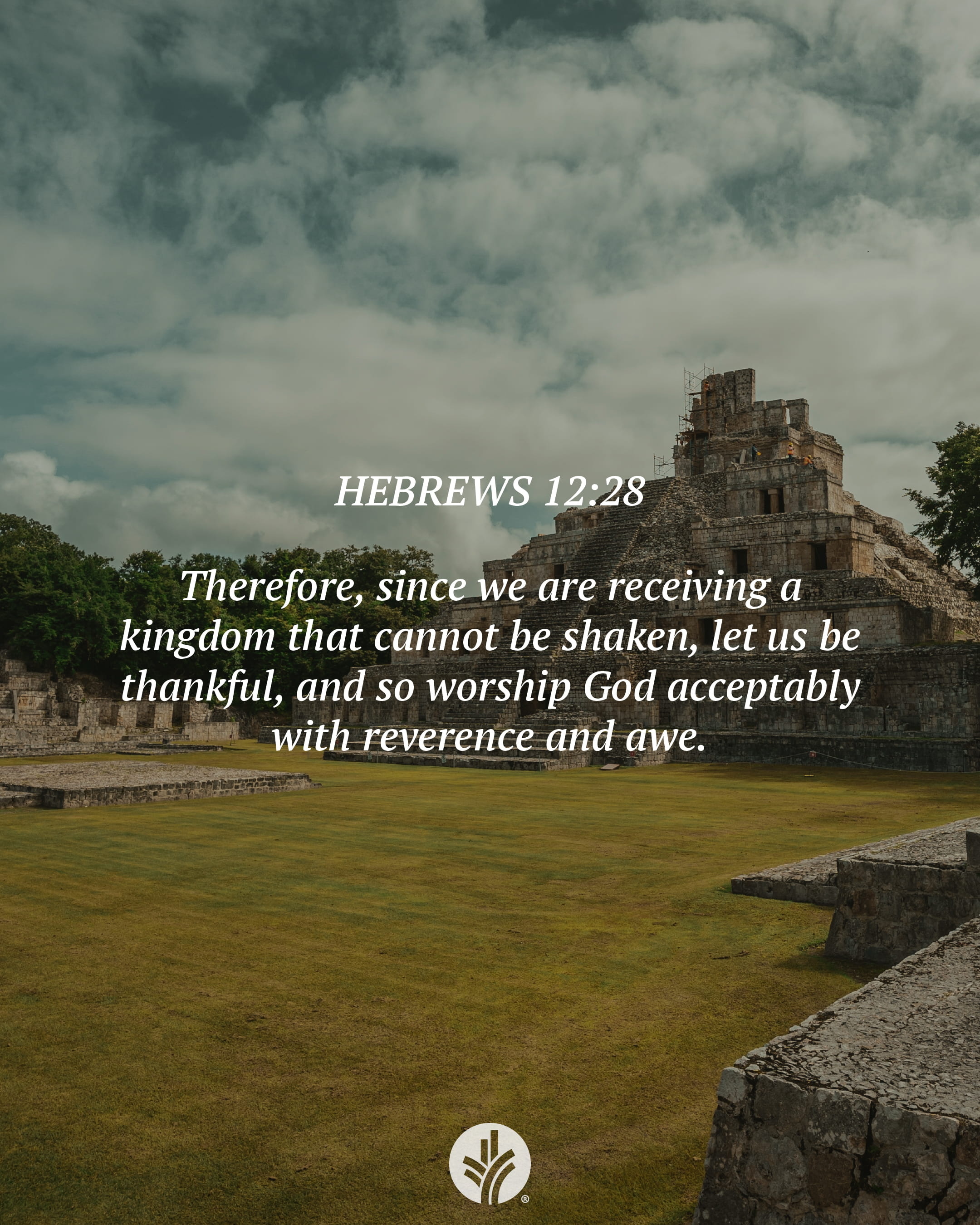
Things are shaking.
And it looks like they’ll only continue in that direction.
Take a moment to prepare.. while you still can.
If that means stocking up on essentials, check out PrepareWithJustin.com
Maybe it means getting some gold silver.. or lead?
Kirk Elliott PhD can point you in the right direction with two out of the three at JustinBarclay.com/Gold
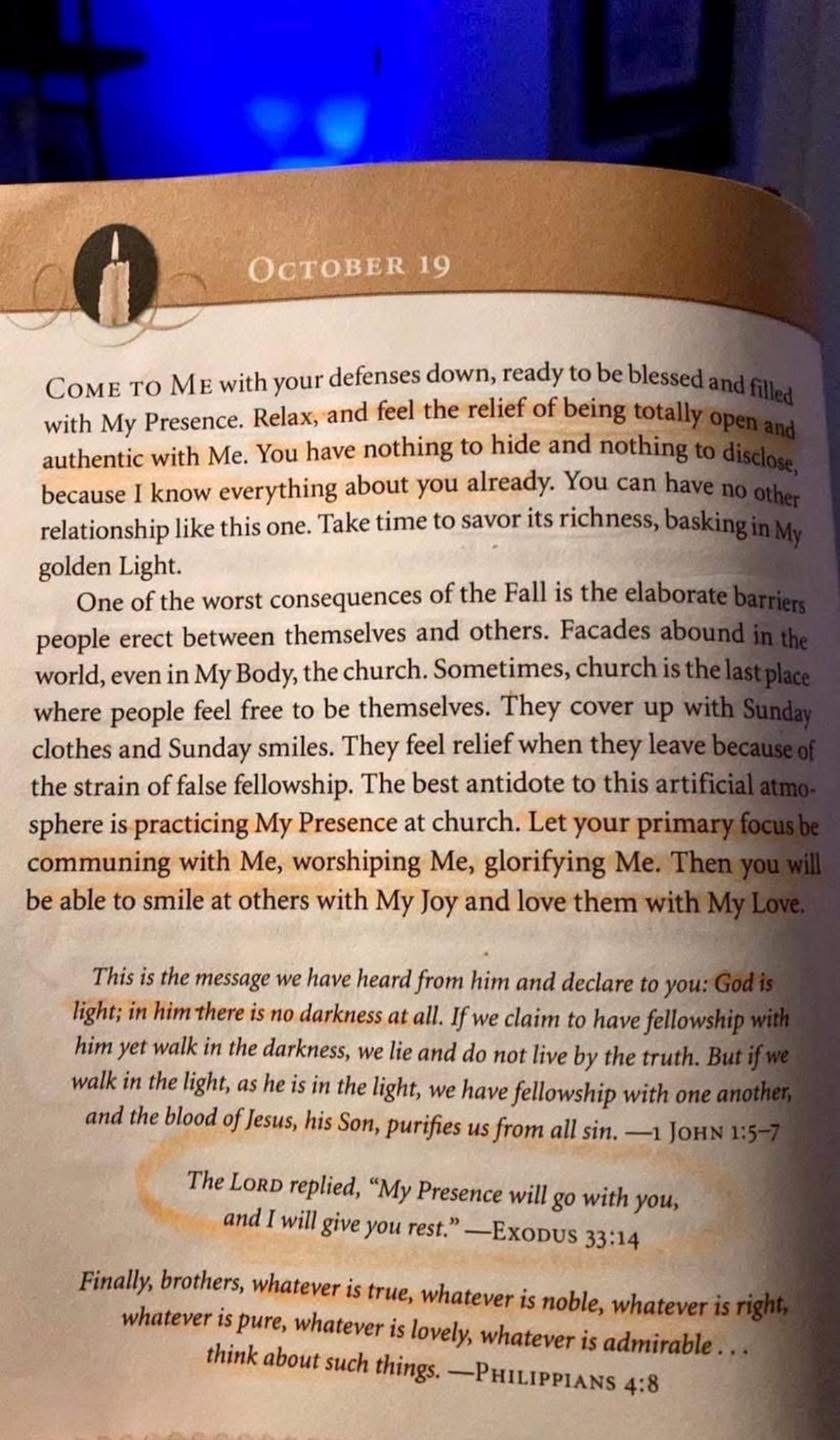
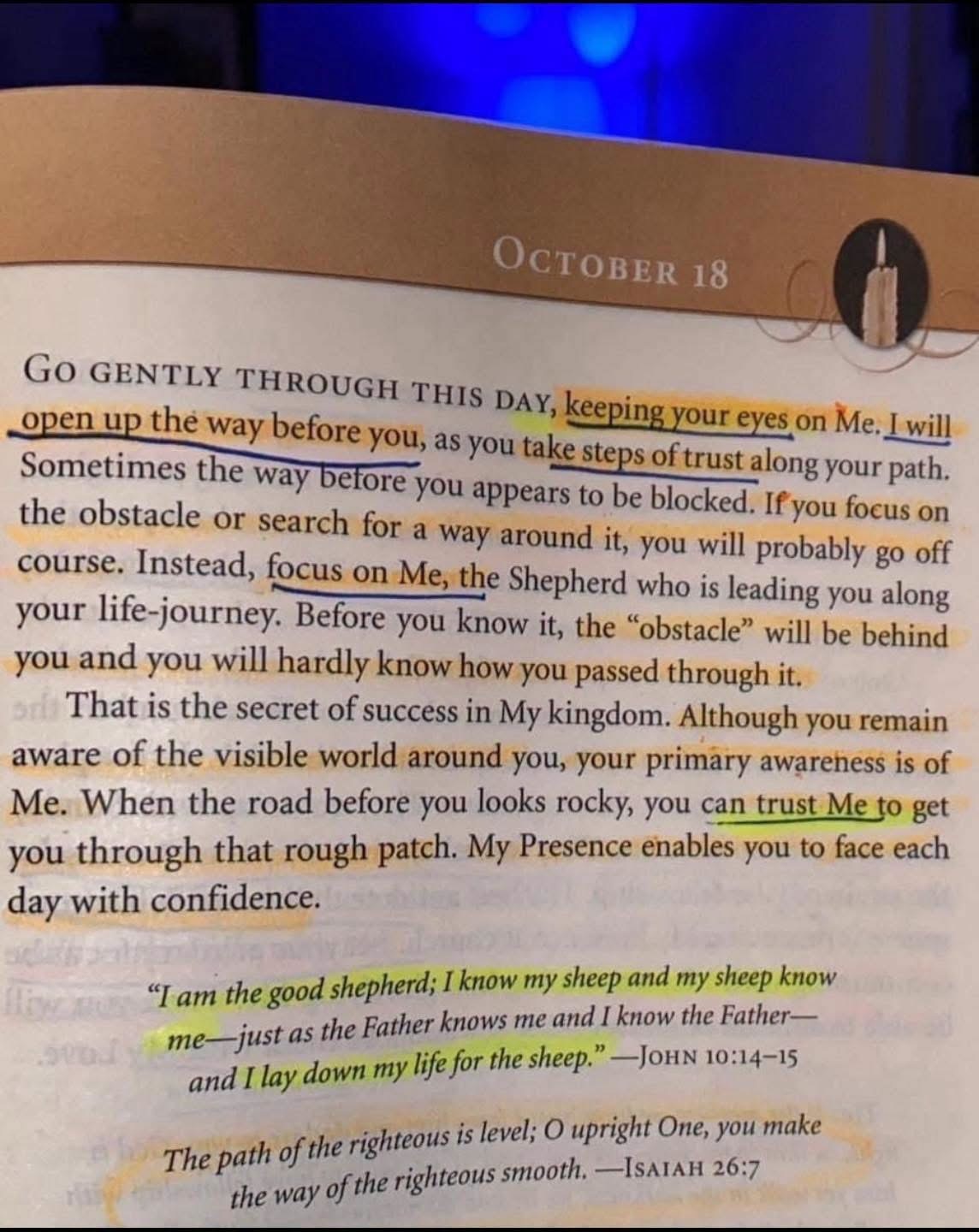
But most important of all, you will want to take some time to prepare your soul.
Challenging times have a way of shaking us in ways we may never expect.
Don’t build your house in sand. Look to the Rock.
Now is the time to get right with God.
Because while I may not know exactly what comes next, all I know is that He’s (STILL) on the throne!
Pray for peace. Pray for the innocent in harms way. Pray that the righteous would be protected and prosper.
Good bless,
Justin